
LIGHT INTO DARKNESS: A prayer journey into the Middle East, uncovering weekly opportunities to intercede for nations in conflict:because God has never left His Church without the power to speak into desperate situations.
information
UNITED STATES
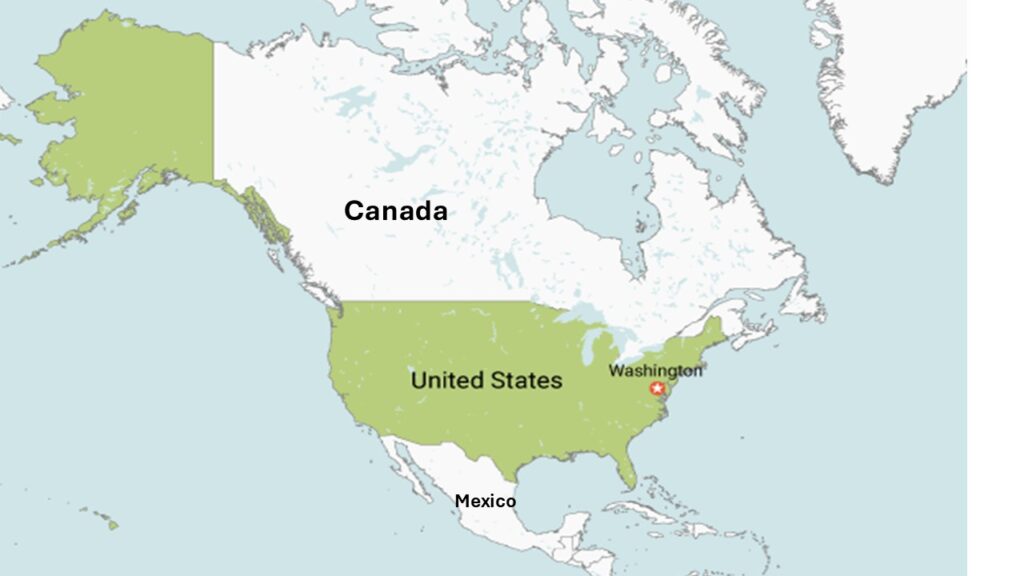
A Demographic and Cultural Overview
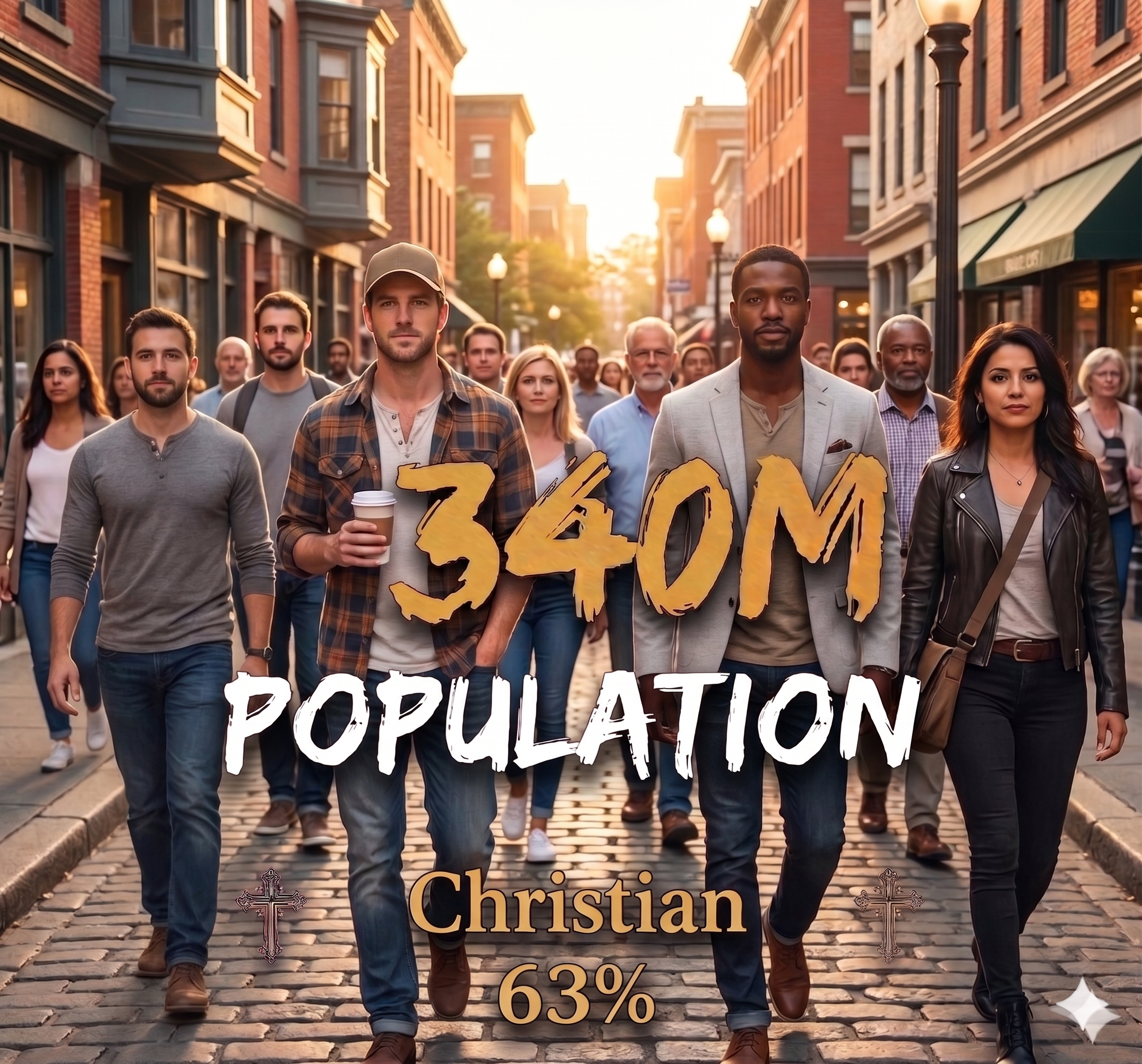
The United States has a population of more than 340 million people, making it the third most populous country in the world. Its median age is around 38 years, and nearly half of its citizens are under 40. The U.S. remains one of the most globally influential nations, shaping political, economic, religious, and cultural realities far beyond its borders.
Religious Landscape and Denominational Shifts
America is home to the largest Christian population in the world, though identify has declined from 90% in the 1970s to roughly 63% today. The Catholic Church is the largest denomination with 62 million adherents, followed by the Southern Baptist Convention with 13 million. Non-denominational Protestants now account for approximately 13% of all Protestants and 7% of the total U.S. population. Alongside Christianity, the U.S. hosts 7.46 million Jews—the largest Jewish population in the world—while Muslims, Hindus, and Buddhists each account for about 1% of the adult population.
The Rise of the "Nones" and Future Projections
Faith in America is transitioning toward a more religiously diverse and secular society. The rise of the “nones”—atheists, agnostics, or those identifying as “nothing in particular”—now makes up about 30% of the population. By 2070, projections suggest Christianity could fall to between 35% and 54%, while the unaffiliated could reach up to 52%. Currently, the U.S. is home to 499 distinct people groups, 93 of whom are yet to encounter the gospel in a transformative way, yet the nation remains the world's leading sender of missionaries abroad.
Geopolitical Conflict and Economic Costs
In early 2026, the U.S. became deeply entangled in the escalating conflict between Israel and Iran, incurring massive financial costs. In the first 24 hours of the operation alone, the U.S. spent nearly $800 million on weaponry, with figures surging past $5 billion by the end of the first week. Two carrier strike groups in the region add over $18 million per day in operational costs. This conflict serves as a test of America’s identity, standing at a crossroads between military power and its moral responsibility to facilitate humanitarian aid and prevent further global escalation.
testimony
Faith Through Justice
Dr. Martin Luther King Jr. remains one of the most luminous American examples of faith expressed through justice and peace. His conviction that love and nonviolence could transform society continues to echo through generations. King’s vision of the Beloved Community — a world where justice and mercy embrace — reminds us that peace is not merely the absence of war but the presence of righteousness.
A Call to Action
His life and death call the American church to remember that the gospel is not confined to sanctuaries but must be lived in streets, schools, and systems. King’s legacy still whispers: “Darkness cannot drive out darkness; only light can do that.”
Commitment to the Kingdom
These are the people we pray for — courageous, compassionate, and committed to seeing God’s Kingdom come in their nation.
INTERPRETATION: PRAYER
Opening Prayer
We pray to the Lord of light and mercy. As we light our candles, we hold the United States before Him now.
The Indigenous Church
Lord, strengthen Your church in America. Root them in unity, humility, and a united voice for peace. Surround them with Your presence, and let their witness shine like a steady flame. Give them courage to speak truth, unity to stand together, and endurance to love beyond division. Let their hope outlast fear and their compassion outshine anger.
Peace
Let Your peace rest on America and flow like a river into the Middle East — in its cities, its government halls, and its homes. Calm the storms of deep division, silence the rhetoric of hate, and open a path toward healing and mutual respect.
Reconciliation
Heal the divides between races, classes, and political tribes. Where bitterness has grown, plant mercy. Where suspicion reigns, sow trust. Let Your Spirit reconcile hearts across every boundary.
Protection of Civilians
Guard those who protect the borders of foreign nations, in every conflict zone affected by American decisions. Shield the vulnerable, and let no life be lost to pride or power. Turn the nation’s strength toward protection, not destruction.
Wisdom for Leaders
Lord, we pray for the President, Mr. Donald Trump, the United States Secretary of War, Mr. Pete Hegseth, and all those entrusted with decisions that shape global peace. Turn their hearts toward justice and humility. Give them wisdom that protects life and dignity. Let restraint triumph over reaction, and compassion over ambition.
Hope for the Future
Plant hope in the soil of division. Let new possibilities rise — for renewal, for justice, for peace. Shape America’s future not by fear or dominance, but by grace and truth. Lord, let Your light shine over the United States, and let the darkness not overcome it. Amen.
information
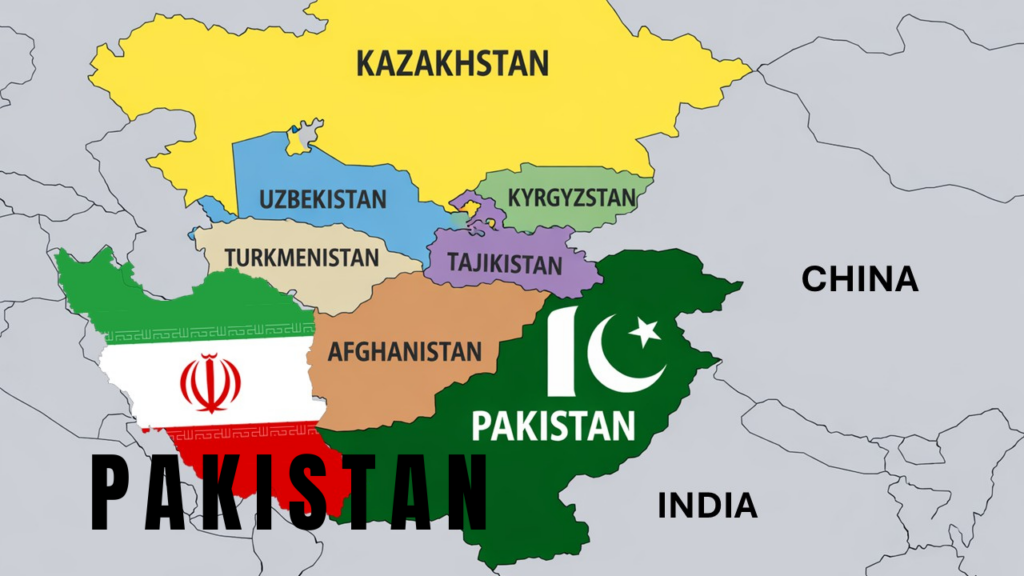
A Demographic and Strategic Overview
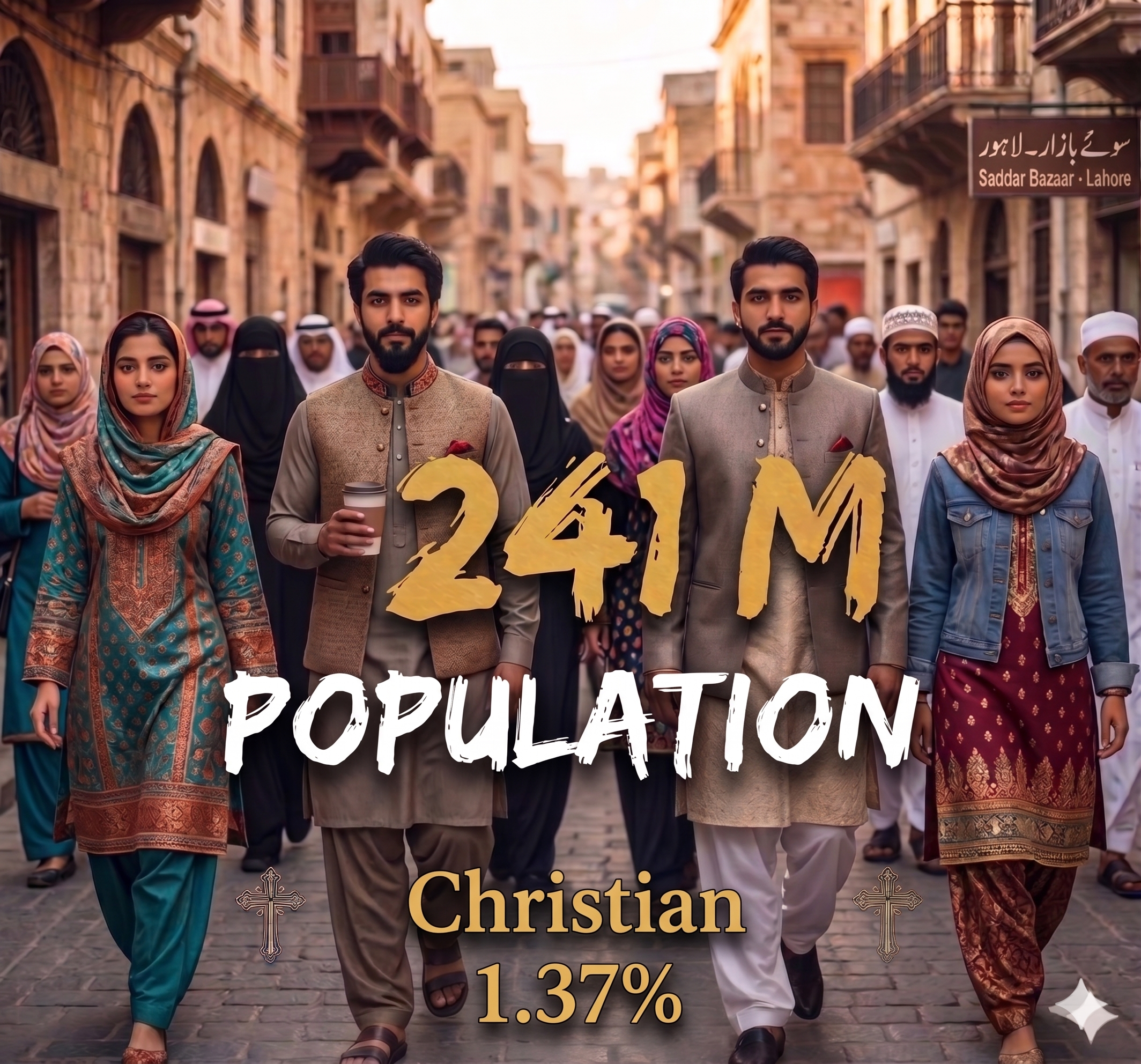
Pakistan is situated at the intersection of South Asia, Central Asia, and the Middle East, making it a highly strategic region. With a population exceeding 241 million, it is the fifth-most populous country in the world. Its demographic profile is exceptionally young, with nearly two-thirds of the population under the age of 30.
Religious Landscape and Minority Communities
The nation is overwhelmingly Muslim (approximately 96%), composed primarily of a Sunni majority and a significant Shia minority. Religious minorities, including Hindus, Sikhs, and Christians, often encounter social and economic discrimination. Christianity is the third-largest religion in the country; the 2023 Census recorded over 3.3 million Christians, accounting for 1.37% of the total population. Approximately 90% of Pakistani Christians are Dalits who converted from Hinduism, and the majority are members of the Catholic Church or the Church of Pakistan, with others belonging to various Protestant groups.
Strategic Importance in the "Stan" Nations
Pakistan serves as a vital gateway to Central Asia. The combined population of the seven "stan" nations (Afghanistan, Pakistan, Kazakhstan, Uzbekistan, Turkmenistan, Kyrgyzstan, and Tajikistan) is approximately 389 million. Of these, only 8.7 million (2.2%) are Christian, and 3.3 million of those individuals reside in Pakistan. Consequently, Pakistan’s Christian community represents 38% of all Christians living across these seven nations. Furthermore, Pakistan is home to over 400 distinct people groups, with more than 380—encompassing over 98% of the population—considered unreached with the gospel.
Diplomatic Role in Regional Conflict
In early 2026, Pakistan positioned itself as a neutral peace broker amid escalating tensions between the United States, Israel, and Iran. By leveraging its historical ties to both Western and Muslim nations, Pakistan facilitated indirect communication and hosted preliminary talks to promote de-escalation. Eschewing military involvement in favor of diplomacy and humanitarian efforts, Pakistan has emerged as a bridge between the Islamic and Western blocs, working toward regional stability and reconciliation.
testimony
A Symbol of Faith and Persecution: The Case of Asia Bibi
The story of Asia Bibi, a Christian farm labourer from Punjab, serves as a significant case study regarding religious freedom in Pakistan. In 2009, she was accused of blasphemy—an offense carrying the death penalty—after a dispute over a communal water cup. Despite her denials and claims that she was defending her faith, she was sentenced to death in 2010. Two high-ranking officials who advocated for her, Salman Taseer and Shahbaz Bhatti, were assassinated in 2011. After nearly nine years in solitary confinement, the Supreme Court of Pakistan overturned her conviction in 2018 due to a lack of evidence. Following months of hiding and intense social unrest, she was granted asylum in Canada in 2019. Her ordeal continues to be a focal point in global discussions regarding the dignity of minorities and the challenges of religious freedom.
INTERPRETATION: PRAYER
We pray to the Lord of light and mercy. As we light our candles, we hold Pakistan before Him now as we pray for:
The Indigenous Church
Lord, strengthen Your church in Pakistan as it stands in a nation now carrying the weight of mediation. Let Your people become quiet anchors of peace — praying, listening, and bearing witness to Your reconciling heart. Give them discernment to intercede faithfully as their country helps hold fragile conversations together.
Peace
God of peace, breathe calm into every negotiation table, every back‑channel conversation, and every moment where mistrust threatens progress. As Pakistan helps bridge divides between Iran and the USA/Israel, let Your peace steady the process. Replace suspicion with clarity, fear with patience, and hostility with the possibility of understanding.
Reconciliation
Lord, where nations have spoken past one another, open new pathways for dialogue. Heal the fractures between peoples and governments. Use Pakistan’s role to soften hardened positions and to create space where reconciliation can begin to take root — not through power, but through humility and truth.
Wisdom for Leaders
Lord, we pray for Prime Minister Shehbaz Sharif, the Minister of Foreign Affairs - Ishaq Dar and Foreign Secretary Muhammad Syrus Sajjad Qazi. Grant them extraordinary wisdom. Guide their words, steady their emotions, and anchor their decisions in justice and dignity. Give all leaders involved — from every nation — the courage to choose restraint, the humility to listen, and the vision to pursue what preserves life.
Comfort for the Grieving
Lord, comfort those already wounded by this conflict — families mourning losses, communities living in fear, and nations carrying deep scars. Let Your nearness be their strength and Your compassion their shelter.
Lord, let Your light shine over Pakistan, and let the darkness not overcome it. Amen.
information
Religious and Legal Restrictions
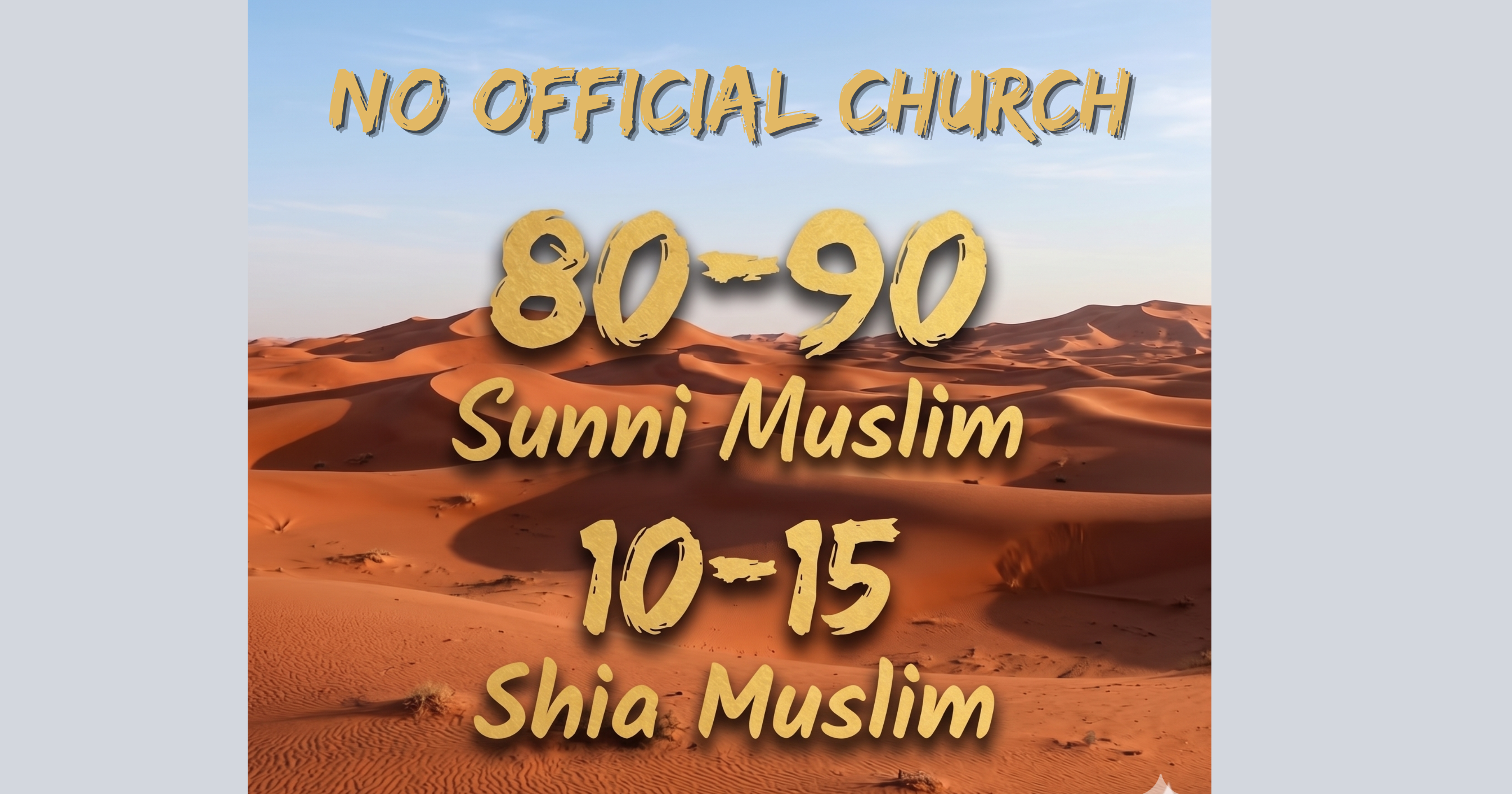
In Saudi Arabia, public Christian worship remains strictly restricted. Under the current legal framework, conversions from Islam to another faith are considered apostasy, which carries the potential for the death penalty. These laws create a challenging environment for religious expression outside of the state-sanctioned faith.
The Unreached People Groups
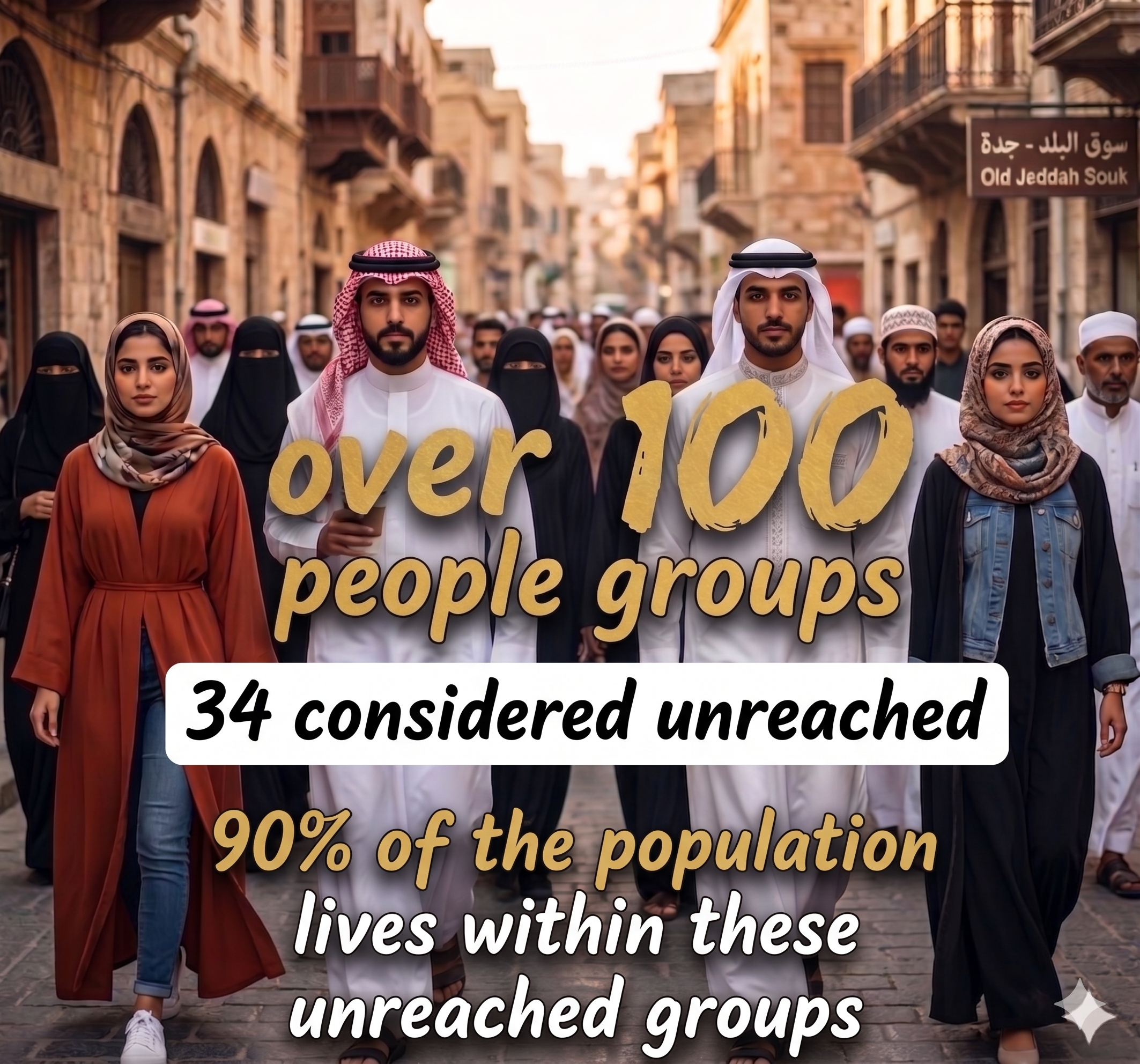
The nation is a complex tapestry of over 100 distinct people groups. Among these, 34 are classified as "unreached," meaning they have little to no access to the gospel within their own culture and language. Strikingly, it is estimated that over 90% of the total population resides within these unreached groups, highlighting a significant gap in spiritual outreach.
Rapid Social and Economic Transformation
In recent years, Saudi Arabia has undergone rapid transformation: economic diversification, social reforms, and major infrastructure development. At the same time, the nation has faced regional conflict, cross-border tensions, and the long-term impact of economic fluctuations. Migrant workers, refugees, and low-income communities often carry the heaviest burdens.
Impact of Regional Conflict
The recent Israel–Iran conflict has heightened instability across the region, affecting trade routes, border security, and civilian safety. Since the war started on 28 February, 3 people have been killed and 29 injured. On March 8, two people were killed and 22 injured, including 12 in the central governorate of Al-Kharj, when a projectile fell on a residential area. While Saudi Arabia has not experienced destruction on the scale of neighbouring countries, communities near conflict zones have faced displacement, fear, and uncertainty.
Spiritual Significance and Quiet Movements
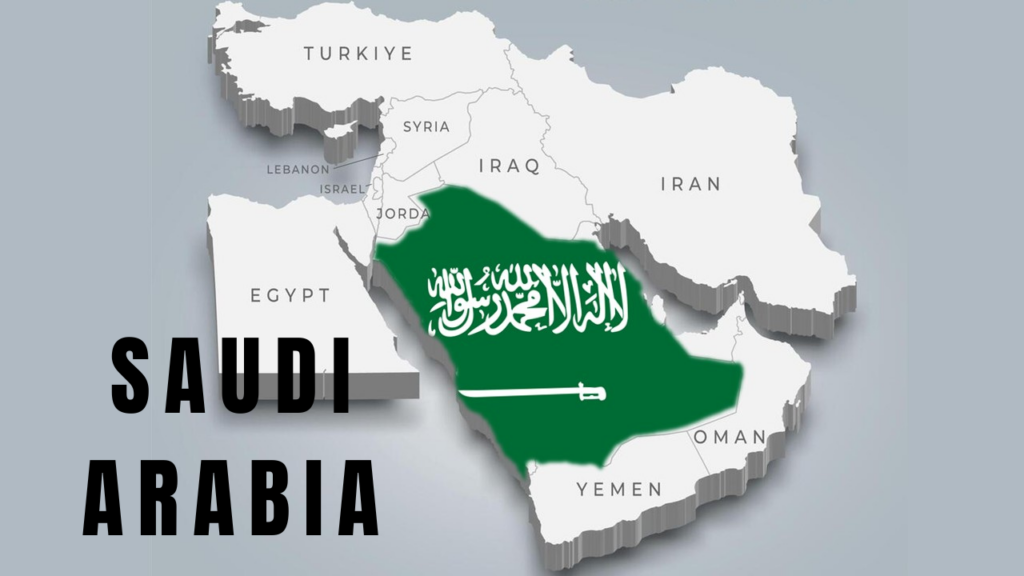
And yet, Saudi Arabia remains a nation of profound spiritual significance. It is home to Mecca and Medina, the two holiest cities in Islam, drawing millions of pilgrims every year. It is also a nation where quiet, unseen movements of faith continue to grow among expatriates and migrant communities.
A Strategic Moment for the Middle East
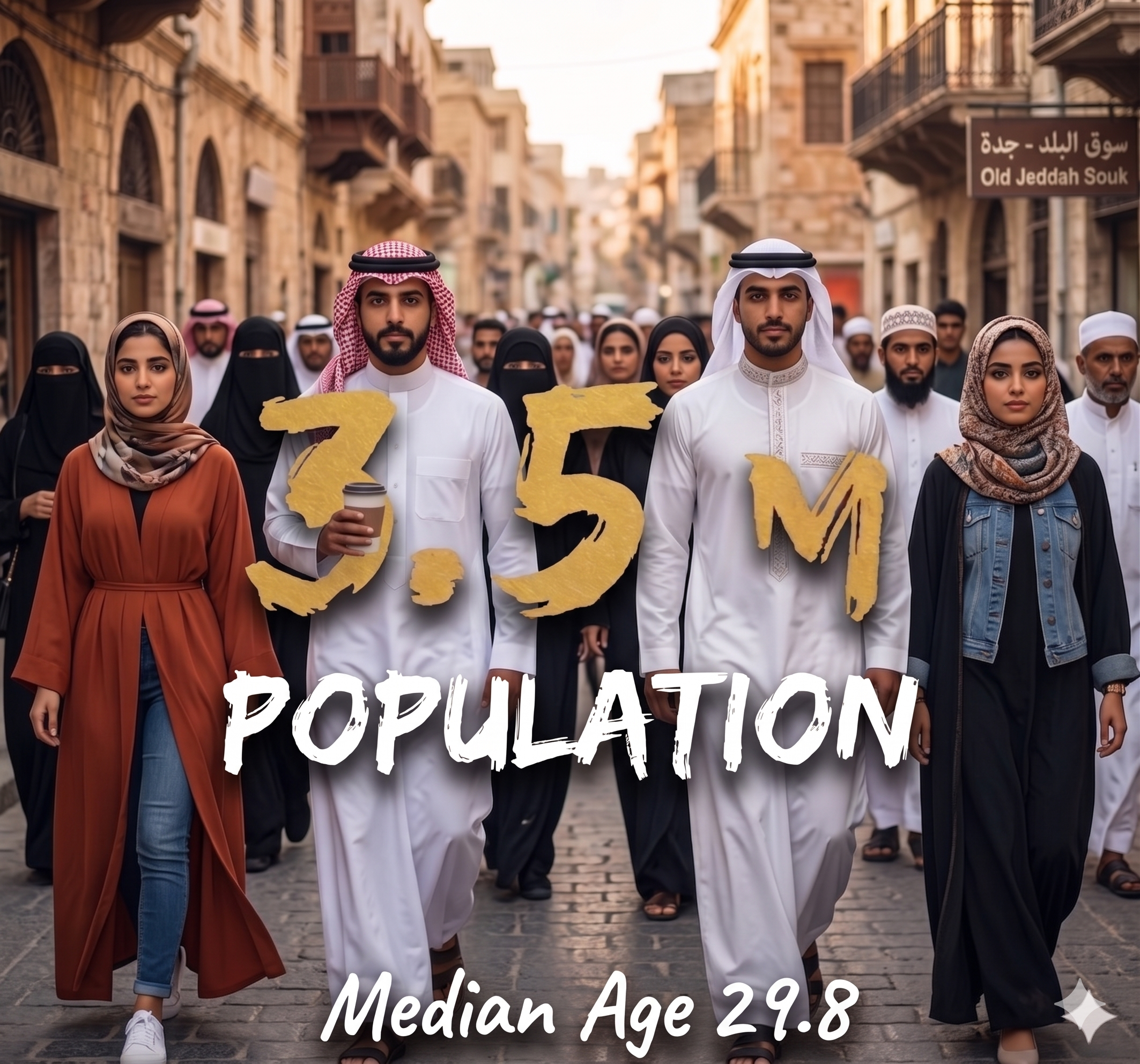
The convergence of spiritual hunger, social change, and regional instability makes Saudi Arabia one of the most strategic nations in the Middle East. Many believers—both expatriate and local—testify to renewed courage, deeper unity, and surprising openness in conversations about hope and peace. This is the Saudi Arabia we hold before God: vast, young, spiritually restless, strategically placed, and profoundly loved by God.
INTERPRETATION: PRAYER
We pray to the Lord of light and mercy. As we light our candles, we hold Saudi Arabia before Him now as we pray for:
The Indigenous and Expatriate Church
Lord, strengthen Your people in Saudi Arabia. Root them in courage, surround them with Your presence, and let their witness shine like a hidden flame. Give them unity, endurance, and hope that outlasts darkness.
Peace and Reconciliation
Lord, Your people hunger for peace. Regional conflict has caused fear and instability. We pray that Your peace will rest on Saudi Arabia—calming anxiety, silencing violence, and opening a path toward healing. Heal divides between communities, tribes, sects, and generations. Where bitterness has grown, plant mercy.
Protection of Civilians
Guard the innocent, shield the vulnerable, and let no life be lost to the cruelty of conflict. Protect migrant workers, refugees, and all who have no safety net.
Wisdom for Leaders
Lord, we pray for the leadership of Saudi Arabia. We pray for King Salman bin Abdulaziz Al Saud—Head of State and Custodian of the Two Holy Mosques. We also pray for the Crown Prince, Mohammed bin Salman bin Abdulaziz Al Saud (MBS), the Minister of Foreign Affairs Prince Faisal bin Farhan Al Saud, and Minister of Interior Prince Abdulaziz bin Saud bin Naif. Turn their hearts toward justice, humility, and restraint. Give them wisdom that protects life and dignity. Draw them closer to You.
Comfort for the Grieving
Hold every grieving family close. Let Your comfort be deeper than their sorrow and Your nearness stronger than their pain.
Hope for the Future
Plant hope in the soil of uncertainty. Let new possibilities rise, and let Saudi Arabia’s future be shaped by peace, dignity, and renewal. Lord, let Your light shine over Saudi Arabia, and let the darkness not overcome it. Amen.
testimony
In the midst of uncertainty, restrictions, and regional tension, small Christian fellowships—often hidden, often transient—continue to shine like quiet lamps in the desert.
A Testimony of Transformation
The following testimony was shared by a Saudi convert, Al Fadi, who currently teaches courses in biblical theology, business, and comparative religion at Arizona Christian University.
Early Devotion and Conviction
“I was born and raised in Saudi Arabia in a devout Muslim family, and from an early age I embraced Islam with complete conviction. I believed it was the only true faith and that anyone who rejected Allah and Muhammad was destined for hell. By age twelve I had memorized half the Qur’an, and by fifteen I was ready to give my life in what I believed was a holy cause. Only my mother’s desperate pleas kept me from traveling to Afghanistan to fight.”
Struggles and Doubts
“As I grew older, doubts quietly surfaced. The more I understood the Qur’an’s language, the more I struggled with passages that seemed filled with hostility. I wondered how a loving God could hate His own creation simply for disbelief. But voicing such questions in my context was dangerous.”
A New Encounter in the West
“After university, I moved to the United States for graduate studies. I arrived fearful, believing that Christians were hostile toward Muslims. Seeking help with language and culture, I joined a program run by Christians. The family assigned to me showed a depth of kindness I had never experienced. Their love challenged everything I believed about the followers of Christ.”
Surrendering to the Truth
“Years later, another Christian family displayed the same peace and joy. My curiosity grew until I finally visited a church in 2001. Through studying the Gospel of John, I encountered Christ as He truly is. In November 2001, I surrendered my life to Him.”
A Life of Purpose
“My journey since has been marked by trials, growth, and transformation. Today I lead a ministry equipping believers to share Christ’s love with Muslims—the same love that first opened my heart.”
information
information
A Nation Under Compounding Crises
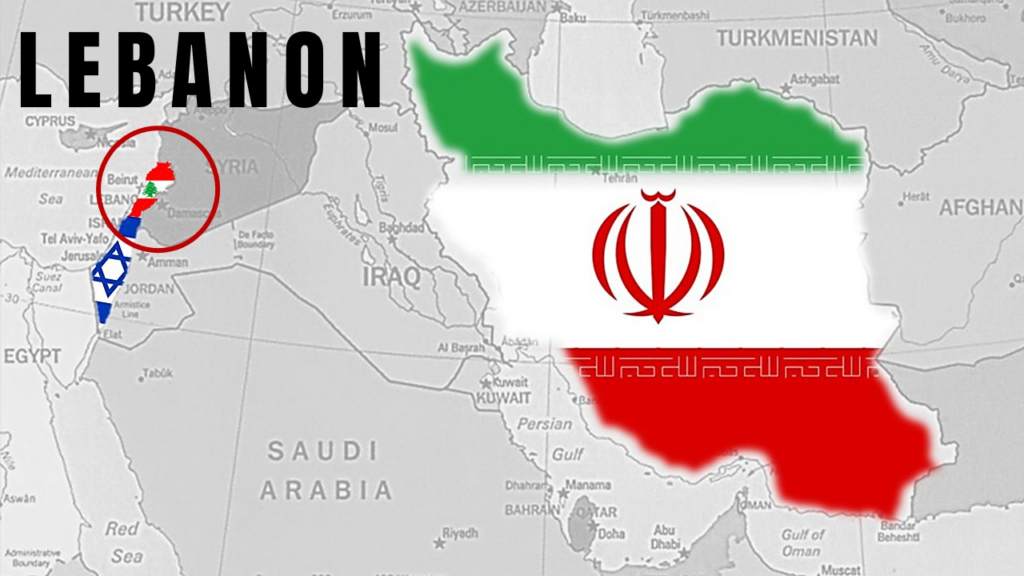
In recent years, Lebanon has endured devastating crises: the 2019 economic implosion, the 2020 Beirut port explosion, COVID-19, and ongoing cross‑border violence. Entire communities have been displaced, thousands have been injured or killed, and the nation’s infrastructure continues to crumble under strain. The wounds—physical, emotional, and societal—run deep.
Escalation and Humanitarian Toll
The recent war between Israel and Iran has seen a further escalation in deaths and displacements. Israel dropped over 7,000 bombs and missiles on Lebanon in 34 days. Some villages are now uninhabitable. 99,000 homes were damaged in earlier rounds of conflict. In the past several weeks of the escalating Israel–Lebanon war, over 1,500 people have been killed, 4,700 injured, and 1.2 million people displaced inside Lebanon.
The Tragedy of April 2026
On Wednesday, 8 April 2026, it took Israel only 10 minutes to carry out one of the deadliest and worst mass-killings in Lebanon since the end of the country’s civil war in 1990. Israel bombed more than 100 targets across Lebanon in just 10 minutes, killing more than 300 people and wounding 1,165. The death toll, which was expected to rise as more bodies were found, was higher than Beirut’s 2020 port explosion—one of the largest non-nuclear explosions in human history.
A Spiritual and Strategic Crossroads
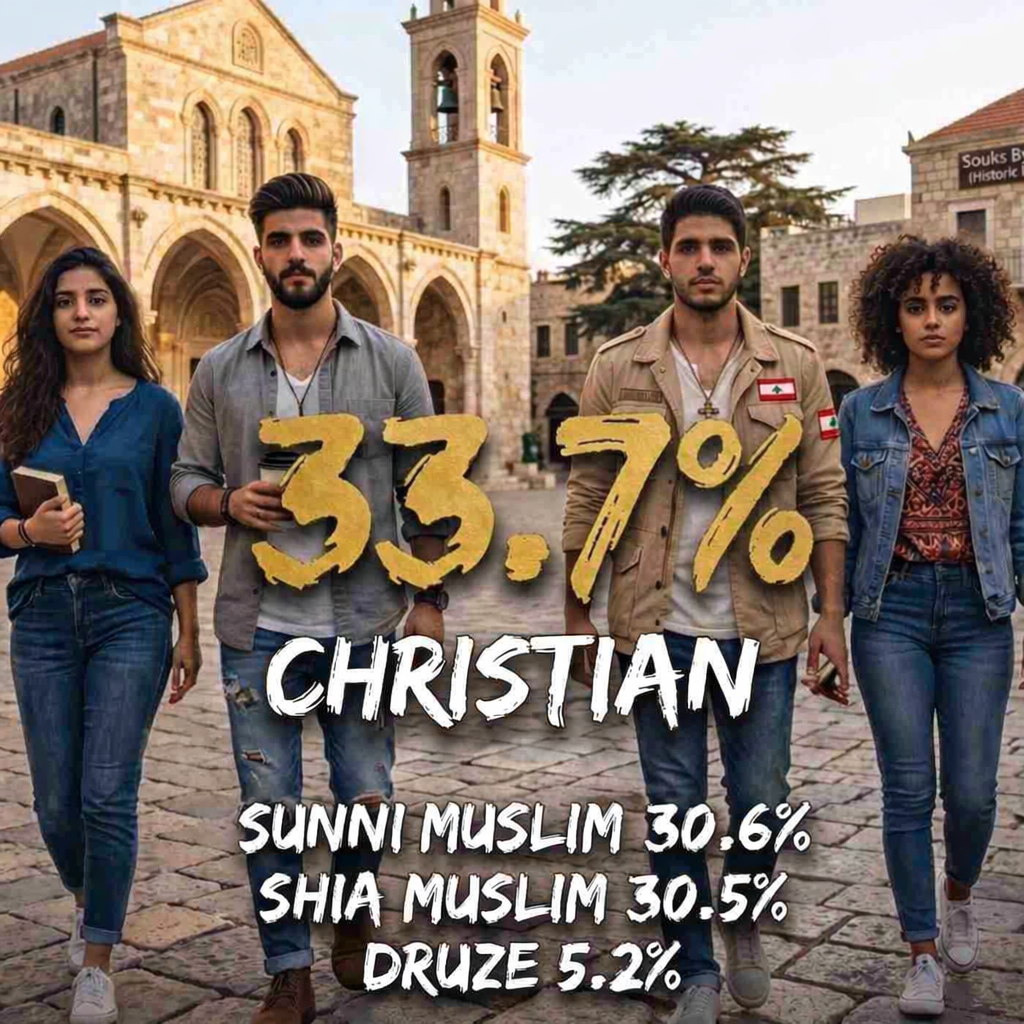
And yet, Lebanon remains a nation of profound spiritual significance. Per capita, Lebanon is home to the most Christians in the Arab World. It is the only country in the Middle East with a Christian President. Lebanon is also, per capita, home to the most refugees in the world; 1 in 4 people in Lebanon is a refugee.
The Gospel of Hope Amidst Suffering
The convergence of displacement, suffering, uncertainty, and an openness to share the gospel of hope and peace makes Lebanon one of the most strategic nations in the region. Many Lebanese believers testify to renewed faith, deeper unity, and a growing openness to the gospel among their neighbours.
A Prayerful Vision for Lebanon
This is the Lebanon we hold before God: diverse, wounded, spiritually restless, strategically placed, and profoundly loved by God.
INTERPRETATION: PRAYER
The Indigenous Church
Lord, strengthen Your people in Lebanon. Root them in courage, surround them with Your presence, and let their witness shine like a hidden flame. Give them unity, endurance, and hope that outlasts darkness. May they see every challenge as a new Kairos opportunity to reflect your fulness of love, grace and mercy.
Peace
Lord, your people hunger for peace. Years of destruction have caused people to lose hope. We pray that Your peace will rest on Lebanon—calming fear, silencing violence, and opening a path toward healing.
Reconciliation
Heal the divides between religious communities, political factions, and generations. Where bitterness has grown, plant mercy.
Protection of civilians
Guard the innocent, shield the vulnerable, and let no life be lost to the cruelty of conflict. Those who have fled the violence in Syria now face the new brutality of another war that is not their own. Protect them Lord.
Wisdom for leaders
We pray for Lebanon’s political and religious leaders— We pray for the President of Lebanon, Mr. Joseph Aoun, the only Christian president in the Middle East. We pray for the Prime Minister, Nawaf Salam, who represents the Sunni Muslim community. And we pray for the Speaker of Parliament, Nabih Berri, who represents the Shia Muslim community of Lebanon. Turn their hearts toward justice, humility, and restraint. Give them wisdom that protects life and dignity.
Comfort for the grieving
Hold every grieving family close. Let Your comfort be deeper than their sorrow and Your nearness stronger than their pain.
Hope for the future
Plant hope in the soil of suffering. Let new possibilities rise, and let Lebanon’s future be shaped by peace, dignity, and renewal. Lord, let Your light shine over Lebanon, and let the darkness not overcome it. Amen.
testimony
Inspiration
In the midst of ongoing attacks, the sounds of fighter jets and the explosions of bombs, stands the Nexus Centre, a Christian Centre that serves as a light amongst Syrian refugees living in the Beqaa valley — a light that will not be extinguished. This is an extract from their recent newsletter:
Stubborn Hope
While 900 schools are closed, we remain open. This is not strategy. This is stubborn hope. Every morning, our doors open. Every morning, children arrive, some walking miles, some carried by parents who have nothing left to give except the determination to get their child to this place.
What happens inside these walls bears witness of a God that will never leave nor forsake His church:
This is not just a centre. This is a sanctuary.
Voices of the People
"These days are heavy for our hearts. But when my child comes here, he returns home smiling. You are not just teaching him. You are saving him."
— Mother of one of the students
"In the middle of fear, this place reminds our children that life is still beautiful. Please. Never stop."
— Hassan, a father from the camp
"I used to come here to learn math. Now I come here to remember how to breathe."
— Mohammad, age 12
information
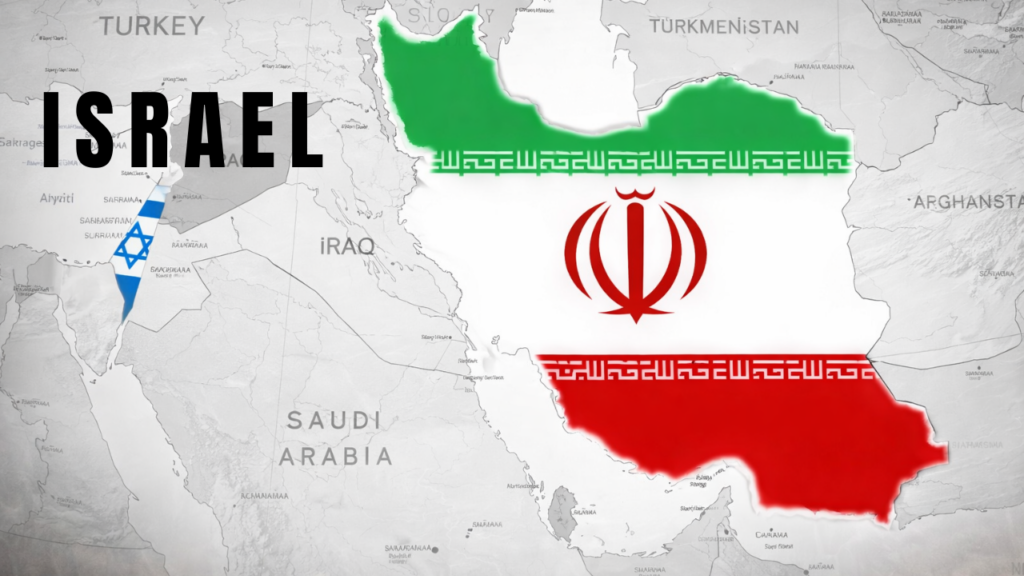


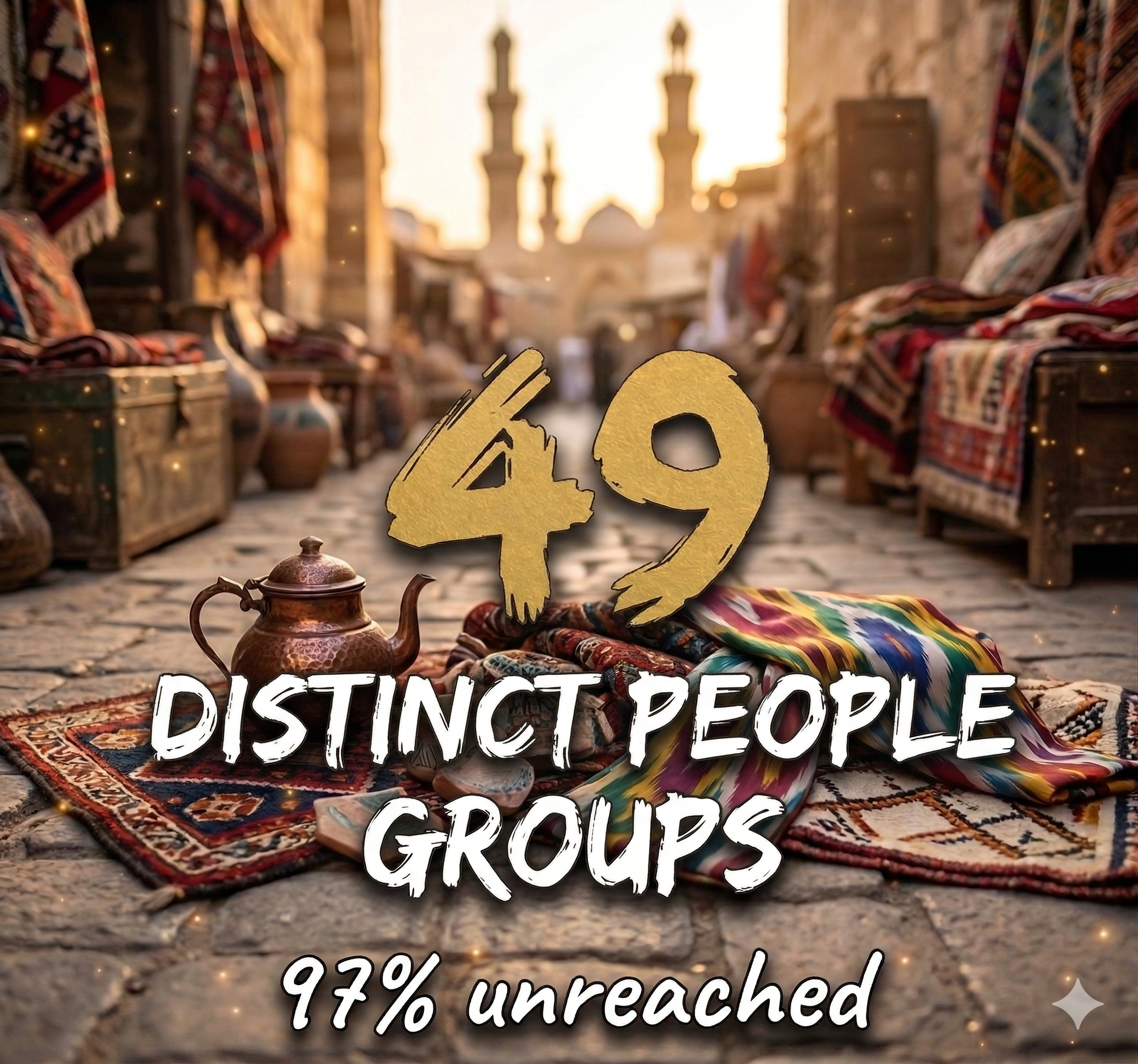
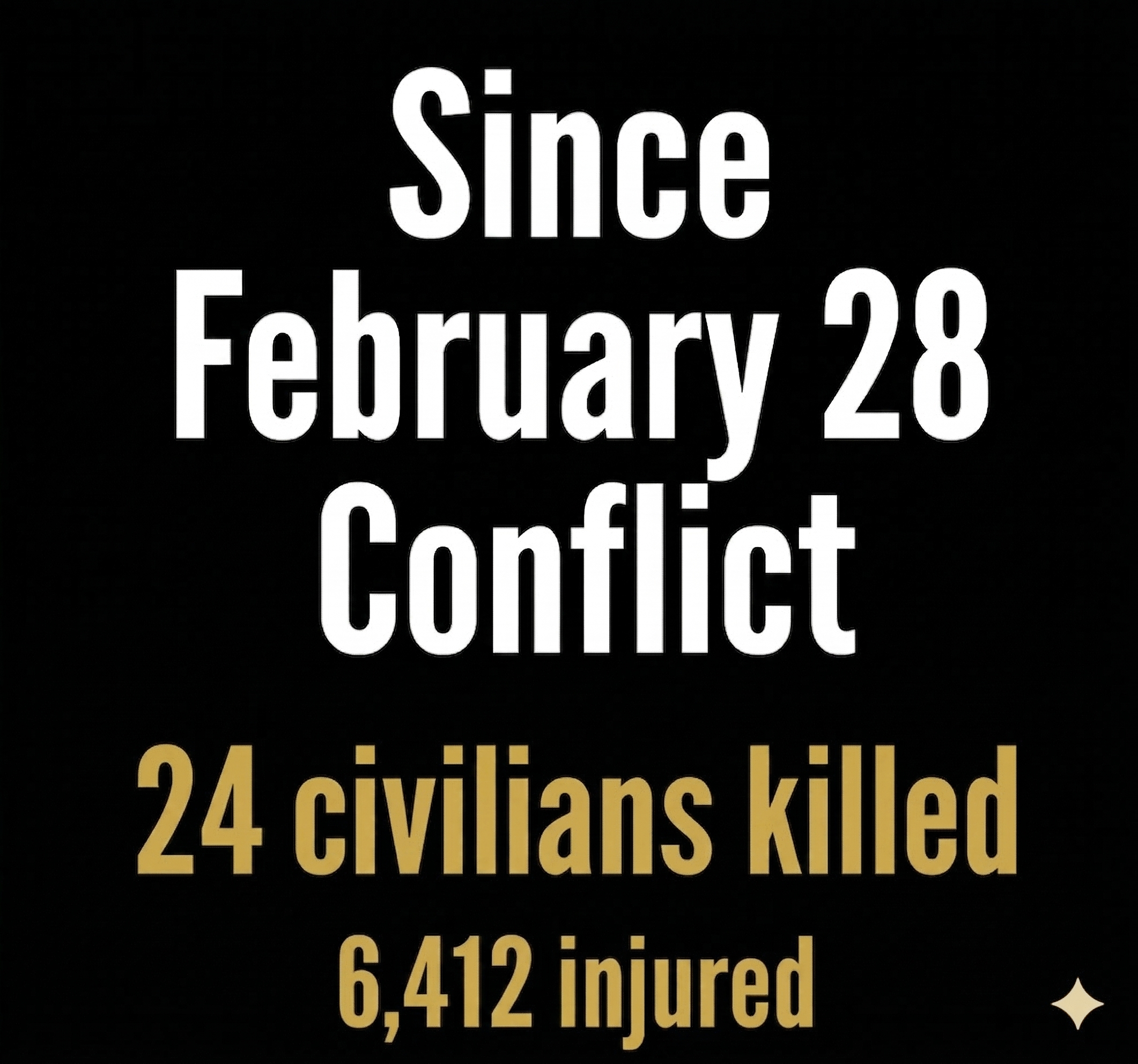
INTERPRETATION: PRAYER
The Indigenous Church
Lord, strengthen Your people in Israel — Arab Christians, Messianic Jews, immigrant believers, and ancient communities. Root them in courage, surround them with Your presence, and let their witness shine like a steady flame. Give them unity, tenderness, and endurance. Let their love outshine fear and their hope outlast conflict.
Peace
Let Your peace rest on Israel — in cities, villages, border towns, and contested spaces. Calm fear, silence violence, and open a path toward healing.
Reconciliation
Heal the divides between communities, generations, and leaders. Where suspicion has grown, plant trust. Where bitterness has taken root, plant mercy.
Protection of civilians
Guard the innocent, shield the vulnerable, and let no life be lost to the cruelty of conflict. Protect families living under threat, and restore safety to those who have been displaced.
Wisdom for leaders
We pray for Israel’s leaders — the President, Isaac Herzog and the Prime Minister, Benjamin Netanyahu, the Cabinet, and military and civil authorities. Turn their hearts, like a David of old, toward justice, humility, and restraint. Give them wisdom that protects life and dignity.
Comfort for the grieving
Hold every grieving family close. Let Your comfort be deeper than their sorrow and Your nearness stronger than their pain.
Hope for the future
Plant hope in the soil of suffering. Let new possibilities rise, and let Israel’s future be shaped by peace, dignity, and renewal.
INSPIRATION: TESTIMONY
Instruments of Reconciliation and Peace
This is a testimony of how the small Arab Christian community in Israel are becoming instruments of reconciliation and peace.
Dr. Yohanna Katanacho often says, “In suffering, we discover a new space – a space in which God is present.” As an Israeli Palestinian Evangelical Christian, he learned this truth not as an idea but as a lived reality. Growing up under severe restrictions, he faced daily obstacles: his university was shut down for three years, studying as a Palestinian Israeli was illegal, and he was arrested simply for attending a chemistry class. Soldiers stopped him constantly.
As he studied the Bible, Yohanna one day came across the text in Matthew 5:44 that says, “love your enemies”. The command felt impossible. He closed his Bible and prayed, “God, I cannot be a traitor. I cannot love my enemies. This is too difficult.”
One day, at a Christian coffee shop near Jaffa Gate, he found a small flyer titled REAL LOVE, containing the prophecy of Jesus in Isaiah 53: “like a lamb being led to the slaughter.” He slipped it into his ID card and went home to negotiate with God. “I cannot love my enemies,” he said. “But I will keep this flyer in my ID. When soldiers stop me, they will see it. I won’t lie and say I love them. I will simply say, ‘This is how my God wants me to relate to you.’”
Day after day, soldiers stopped him. They opened his ID, saw the flyer, and asked about it. Yohanna repeated his prepared line. Slowly, obedience started reshaping his heart. He began walking the streets praying, “God, let them stop me so I can tell them about Jesus.”
One night, carrying Arabic church bulletins under his jacket, Yohanna approached Damascus Gate and encountered three soldiers. Fearing they would mistake the papers for political flyers, he prayed for protection. When they indicated that he needed to come to them to be searched, he panicked and without thinking unzipped his jacket quickly to show the flyers to them. Thinking that he was carrying weapons, the soldiers raised their guns and pointed them at his head.
Instinctively, Yohanna placed his hand on his heart and said, “I love you.”
Shocked silence followed – both by the soldiers and Yohanna. Then the guns lowered, and he shared Christ with them. They told him, “We wish all Palestinians were like you.” He replied, “No—I wish you were like me.”
Through these encounters, Yohanna learned that love is not a feeling but a daily decision. Exercised in the midst of hatred, love becomes stronger by the grace of God. These are the people we pray for: peace-makers, courageous, bridge-builders, and with hearts focused on God.
Born in 1950, Takoosh Hovsepian’s only desire was to serve God alongside her husband, Rev. Haik Hovsepian.
She never expected the true cost of that calling. At age 49, Haik left home one morning and vanished.
Following 12 days of agonizing silence, the truth broke: he had been executed by order of the Iranian government.
"I simply could not do it... but day by day I asked the Lord for help."
The Lord told me to forgive those who killed my husband. I battled for twelve months before I could finally speak the words.
"Lord, I can forgive them, but loving them is impossible."
For another year, I pleaded with the Lord. Then, He gave me a real, supernatural love for the men who took Haik from me.
"I have blessed those who killed my husband."
The final instruction was the hardest. But today, I can say in all honesty: I have forgiven, I have loved, and I have blessed them. The process was not easy, but it was worth it.
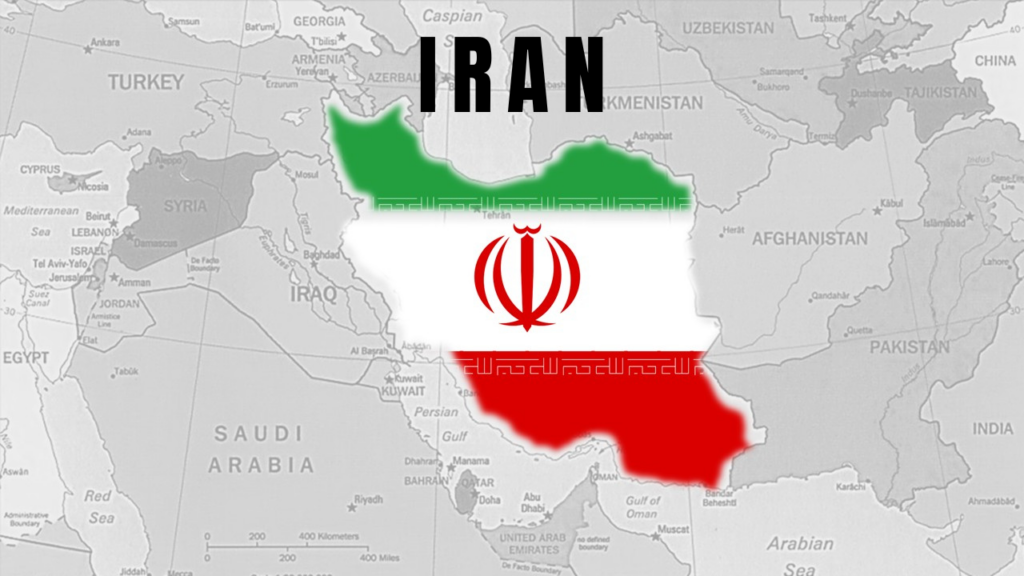
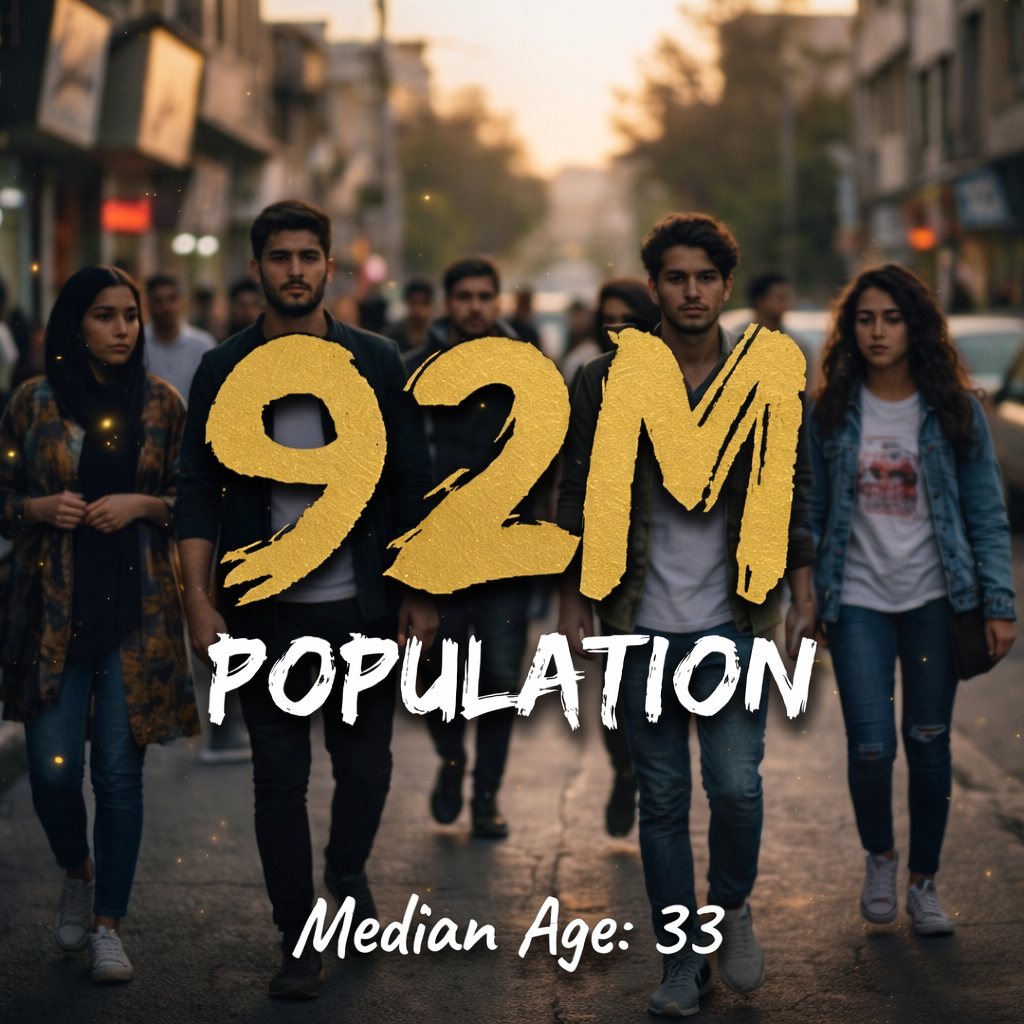
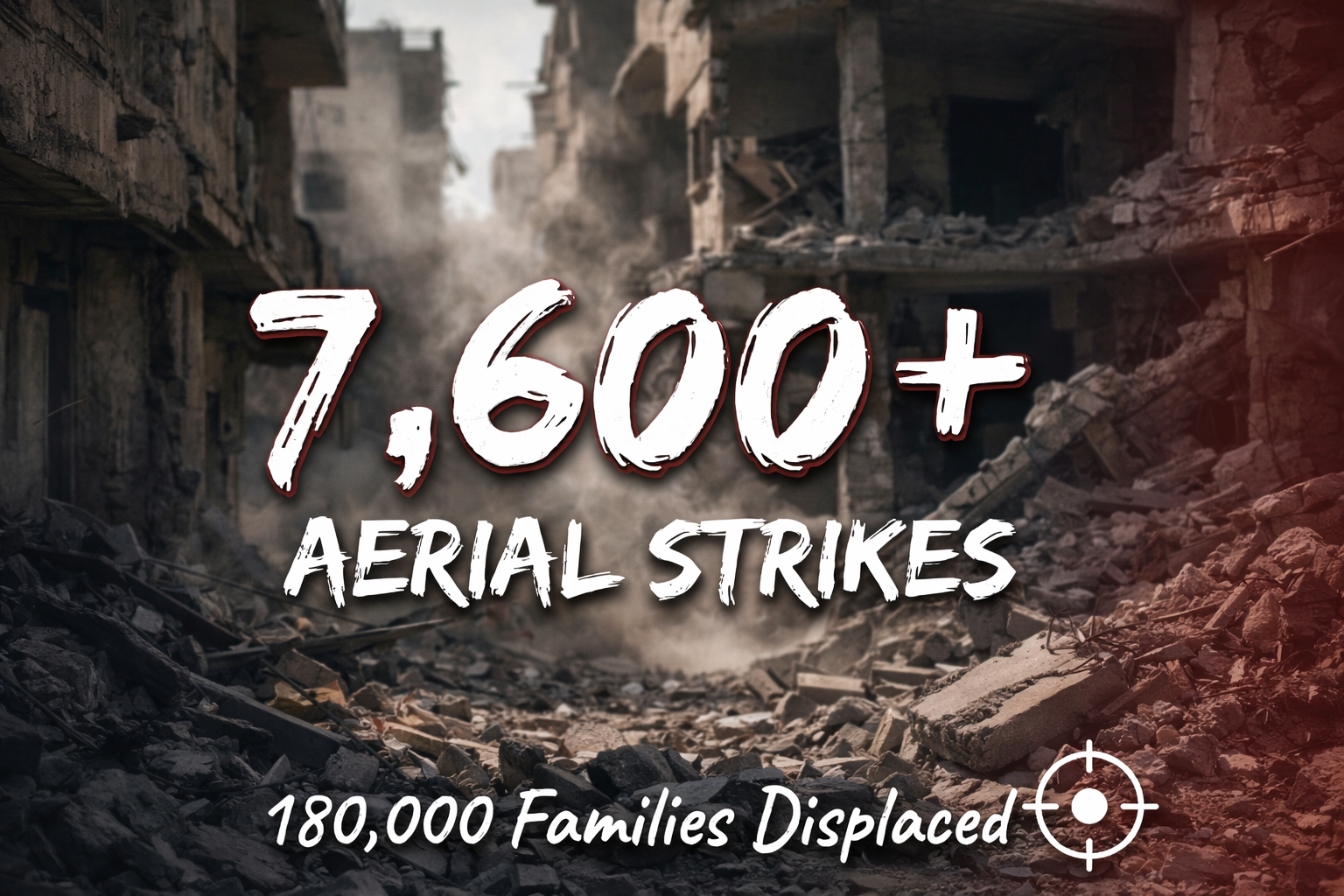
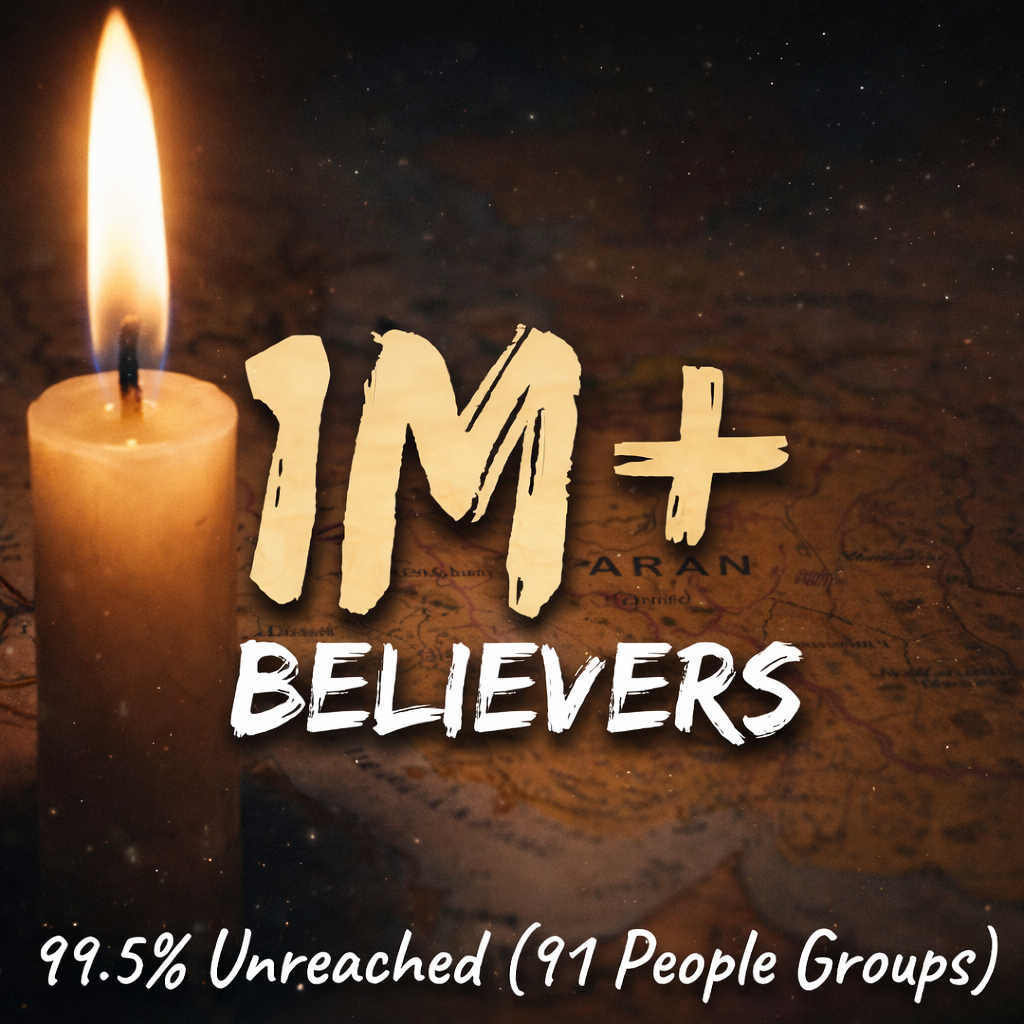
Strategic Prayer Briefing: Iran
7 Intercepts for Precision Prayer
Pray for the Lord to strengthen His people in Iran. Root them in courage, surround them with Your presence, and let their quiet witness shine like a hidden flame. Let their love outshine fear and their hope outlast darkness.
Let Your peace rest on Iran, calming fear, silencing violence, and opening a path toward healing.
Heal the divides between communities, generations, and leaders. Where bitterness has grown, plant mercy.
Guard the innocent, shield the vulnerable, and let no life be lost to the cruelty of conflict.
Pray specifically for Supreme Leader Mojtaba Khamenei, President Masoud Pezeshkian, and Foreign Minister Abbas Araghchi. Pray that the Lord will turn their hearts toward justice, humility, and restraint. Give them wisdom that protects life and dignity.
Hold every grieving family close. Let Your comfort be deeper than their sorrow and Your nearness stronger than their pain.
Plant hope in the soil of suffering. Let new possibilities rise, and let Iran’s future be shaped by peace, dignity, and renewal.